
All the Idea, No Gear
Our aspiring adventurer has dreams of where he wants to go. Now he needs the guidance of a few experts to help get him there.
Before heading out on any adventure, it pays to be prepared. To prove it, we’ve teamed up outdoors photographer, Daygin Prescott, with experts in the worlds of Watercraft, Caravan & Trailer and Motorcycle adventuring to try out some new experiences. Together they work through the preparations, including gear, research and insurance, before venturing off into the great outdoors. Come along for the ride!

Daygin Prescott
Adventure Photographer
Daygin is an Australian-based adventure photographer, known for capturing awe-inspiring landscape and action shots. When he’s not scaling the sheer rock faces of El Capitan, he can often be found in the ocean snapping surfers amongst the waves.
Prepping for an epic boat adventure
It might seem obvious what you’d need to pack for a day out fishing and boating, but there are a few items that could come as a surprise. In this adventure, Daygin meets up with legendary fisherman, John Costello, to firstly go through the essentials including having the right Watercraft insurance, before heading out chasing a few scaley critters.
Packing tips for tinny fishing
Daygin and John get down to business at Prep HQ, putting Daygin’s boating knowledge to the test with a bit of a challenge. What will the boys pack for their adventure ahead and how well will their preparation pay off?
Fish, photos and a load of fun
They’ve done the prep and now it’s time for John to take Daygin out on the tinny for a classic watercraft fishing adventure. It’s not just about chasing fish though, with plenty of epic spots and wildlife discovered.

“With over 35 years of fishing and boating experience, I know how important it is to be prepared – whether that’s with insurance or the gear you need.”
John Costello
Fishing & Boating Expert
John brings decades of on-the-water experience to life with regular fishing adventures, as well as tips, tricks and gear reviews. From cruising the waterways of South-East QLD to the Barra-filled dams further afield, John knows fishing and boating like no one else.
Watercraft packing checklist
From safety to fun and fishing gear to the practical stuff, there’s a broad range of things that are worth considering to help create a great day out in the boat. While Daygin and John touch on some of these in the videos above, here’s a more detailed rundown on the uses and advantages that these items can provide.
- Life jackets
While requirements vary across different states and territories, it’s always a good idea to wear life jackets when cruising the waterways. At the very least, an appropriate life jacket must be carried on board for every occupant.1 - Sunscreen
Being out on a boat usually means exposure to the elements – especially sun – and don’t forget about the extra reflection off the water. So applying and then reapplying sunscreen throughout the day can be a very wise choice. - Anchor
It might seem like an obvious one, but making sure the anchor is aboard can save the day. As well as helping you stay put when stopping for a fish, it can also mean the boat doesn’t float away if you pull over to stretch your legs. - Food and water
Not only is staying hydrated and energised generally a good idea out on the water, but it can also keep you going if you get in trouble. Imagine the motor breaking down and you need to wait for help…you’ll be glad you packed those extra sandwiches!
- V-Sheet
Easy to pack as it folds down and doesn’t take up much space, a V-Sheet is a type of distress signal: a bright orange sheet with a bold black "V" on it, used to attract the attention of other vessels or aircraft when a boat is in trouble. - Insect repellent
If you’re planning on adventuring through creeks, rivers, dams and estuaries, having the insect repellent handy can make a huge difference. No one wants to be itching and scratching all day, or come off the water covered in bug bites! - Bung/plug
A bung is a small but vital plug that seals the drainage hole/s in your boat, usually found on the transom (the flat part at the back). Forget it and you’ll be scrambling around looking for something else to block the hole, or bailing water frantically! - Protective clothing
From hats and long-sleeved hooded shirts to face masks and polarised sunglasses, there are loads of protective clothing options made specially for watercraft and fishing adventures. Get into it to keep yourself protected.
Watercraft insurance that’s a bit more you-shaped
Comprehensive watercraft insurance is our highest level of coverage. It includes cover for fire and theft,2 storms, hail and floods,3 earthquakes and accidental damage4 amongst plenty of others.
Our mid-range watercraft insurance comes in the form of our Third Party Fire & Theft coverage. As the name suggests, it includes cover for damage caused by fire, theft or attempted theft.2 If an insured event occurs and your watercraft or tender is damaged as a result, we’ll cover the cost of towing it to and storing it at the nearest suitable place for safekeeping.5 Also, watercraft mooring fees, towing, salvage and loss prevention4 and even signwriting2 are included with our Third Party Fire & Theft and also Comprehensive cover.5
Then there’s our Third Party Property Only insurance. Our most basic level of coverage, it will cover you if your watercraft or tender causes injury or death, or damage to someone else’s property – up to $10 million in legal liability.6 Youi Third Party Property Only insurance also includes counselling services, up to $1,500 per person for you and household members after an incident where a claim has been accepted.6
Keep reading
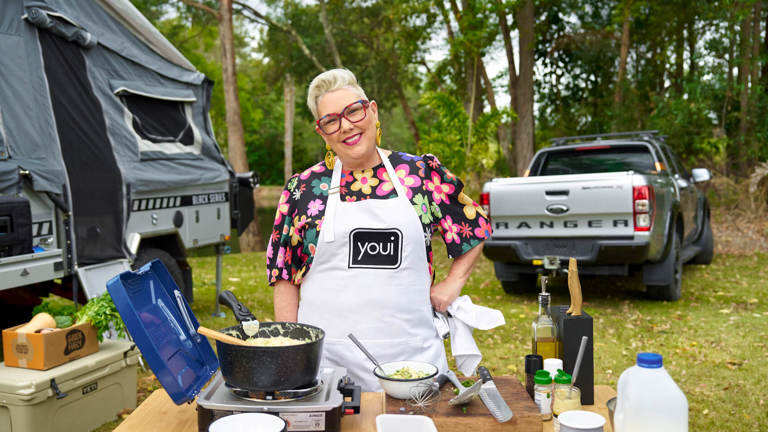
Single Burner x Steph de Sousa
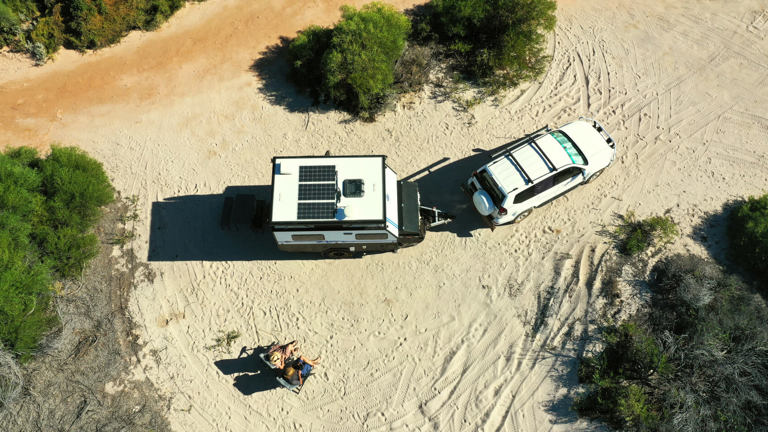
Youi’s Great Australian Road Trip: Aussie Travellers’ Habits and Behaviours Revealed

How to Get Your Boat Licence Anywhere in Australia

Boat Insurance in Australia: A First-Time Boat Owner’s Guide
Full adventure mode on a motorbike
Cruising along the open road on a motorcycle provides a true sensory experience. While this freedom can be exhilarating, it also brings safety and prep to the forefront. That’s why we’ve teamed Daygin up with motorbike adventuring pro, Vern Norrgard, to get an idea of what gear can be handy to pack and where Motorcycle insurance might come in useful when exploring the wide open roads across Australia.
Bare essentials for the bike
Join Vern and Daygin in Preparation HQ to see which items will make the cut for the adventure to come. Limited space on the motorbike means just the essentials can be packed, while being sure to be prepped for unexpected surprises.
Tips for tackling the terrain
In this episode, Daygin jumps on the back of Vern’s motorbike to get a feel for adventure riding. They wind their way through some idyllic and varying landscapes, with a few challenging moments thrown in for good measure.

“I’ve been doing adventure riding for the last 6 years, so I know preparation is key. You never know what’s going to happen.”
Vern Norrgard
Motorbike Adventure Expert
A self-proclaimed adventure bike nerd, Vern has a passion for exploration and for helping other riders discover epic routes across Australia. He loves the thrill of the journey and sharing it via unique insights, tips and technical know-how.
Motorcycle packing checklist
When it comes to packing gear for a motorbike adventure, it’s worth being very considerate of space and weight. In the above videos, Vern gives Daygin a guide on some of the more useful items to include, and what can be worth packing just in case the day out takes an unexpected turn, or the weather becomes a little ugly.
- Protective gear
As well as a helmet, having a protective jacket and pants, gloves and also boots for ankle protection could save your life. No one ever expects an accident to occur, but being protected just in case is critical. - Snacks and water
Adventure motorbike riding can be energy-sapping, so having some sweet snacks and water handy can help you refuel. Instead of a water bottle, bladder-filled backpacks can be a useful way to carry more fluids more conveniently. - Spare key
Dropping or misplacing your motorcycle key somewhere out on a ride can leave you stranded. So tucking away a spare key in a safe spot can save the day – a great tip to help avoid needing to push the bike or waiting hours for help to arrive.
- Spare tyre tubes
Unlike on a car, you generally don’t have the space to carry a spare wheel on a motorbike. So having a spare tyre tube (or two) plus a compact pump packed away just in case you get a puncture is essential and could keep your adventure on track. - Wet weather gear
Exposure to the elements is part of the reality – and the fun – of any motorcycle adventure. What might start out as a bright, sunny day could turn rainy fast, so having a rain jacket and pants packed is always worth it. - Cable ties and tools
Adventure riding can mean encountering a few bumps along the journey, so having these little items can help keep the motorbike held together. Cable ties are ideal for fastening any parts that loosen, and tools like spanners and tyre levers are also handy.
Motorcycle insurance that’s a bit more you-shaped
First up, there’s our Comprehensive motorcycle insurance. It comes with Roadside Assist as standard,7 and also covers your motorbike for accidental damage.8 Storm, hail and flood damage9 and riding gear10 is also included with a Youi Comprehensive policy.
Our next level of cover is Third Party Fire & Theft motorcycle insurance. As per the name, with this policy your motorbike will be covered for damage caused by fire, or for theft or damage caused by attempted theft.11 This level of cover also includes towing and storage costs if your motorcycle is damaged and can’t safely be ridden after an insured event.11
We also offer Third Party Property Only motorcycle insurance. Under this type of policy, if your motorcycle accidentally causes damage to another person’s property, we’ve got you covered for up to $20 million in legal liability costs.12
Keep reading
Single Burner x Steph de Sousa

Motorbike Gear to Help Keep You Safe

Buying an Off-road Motorbike? Here’s What You Need to Know

The Pros and Cons of Electric Motorbikes
Ready to hit the road in the caravan
When it comes to preparing for caravan adventures, there are so many products and items that could come in handy. But with storage at a premium, how do you know which ones to pack? Luckily, Daygin has teamed up with caravan adventure couple, Ben and Ash Lee, to get an idea of their essentials and where Caravan insurance comes into play as they head off through some idyllic country.
Caravan inventory ideas
Daygin loves an outdoor adventure, but usually packs the bare minimum. So he’s looking forward to that bit of “luxury” a caravan can provide. Ben and Ash put his prep skills to the test – watch to see if he nails it or fails it.
Swims, skills and campsite set-up
With the gear now packed after their time at Preparation HQ, Daygin sets off with Ben and Ash to get out into the wild. They take the caravan through some epic little creek crossings, find unspoilt spots and even give Daygin a reversing challenge.

“We know that preparation is key – whether that’s insurance, having the right kit or having the skills.”
Ben & Ash Lee
Caravanning Experts
With their two young kids, Ben and Ash are avid travellers, exploring all parts of Australia with caravan in tow. They’re focused on providing real and raw insights into full-time van life…for them it’s all about slowing down, exploring and living their best life.
Caravan packing checklist
Sometimes it’s the least obvious things that come in most handy when out on a caravan adventure. Ben and Ash take Daygin through some of their key items and preparation processes in the videos above, and here’s some more info on a bunch of items to consider packing and how they could come in useful out on the road.
- First aid kit
Because caravanning often means getting out into nature, having a first aid kit handy can be useful for any little scrapes and bumps. The more compact, the better so you can easily pack it for days out hiking too. - Tyre pressure gauge
If you’re traveling through varying terrain, having a tyre pressure gauge can be very useful to give you an accurate reading when deflating or re-inflating the car or caravan tyres. Super compact, store it in the glove box for quick access. - Tie-downs
These can come in handy for all sorts of applications when adventuring with a caravan. From helping secure annexes and awnings to making sure loose items don’t move around on the go, having a bag of tie-downs can be a great idea.
- Headlamps
When the sun goes down and you’re away from the bright lights of the city, having a headlamp handy can be crucial. If you’d prefer to avoid carrying a supply of batteries, there are some great rechargeable headlamp options available. - Water hose
When moving between locations or spending time parked up in the caravan, keeping your water supplies topped up is a must. One of the easiest ways to do this is via a water hose – one end connected to the water supply tap, the other to the van tanks. - Fire extinguisher
Due to the number of appliances within many caravans, and the often-isolated locations visited, fire extinguishers can be lifesavers. From indoor cooking fires and camp fires to bush fires and even vehicle fires, it pays to be prepared.
Caravan insurance that’s a bit more you-shaped
If you’re looking for our highest level of coverage for your caravan or trailer, Comprehensive cover could be for you. It includes a wide range of things, with just some being accidental damage13 as well as storm, hail or flood damage.14
Next, we have our Third Party Fire & Theft caravan and trailer insurance. As you may have guessed, it includes cover for theft, or damage caused by attempted theft, as well as damage caused by fire.15 Also, if your caravan or trailer is damaged in an insured event, we’ll cover the cost of towing it to and storing it at the nearest suitable place for safekeeping.15 If your claim is accepted for loss or damage due to an insured event, unrecoverable caravan park cancellation and rebooking fees are also included with Third Party Fire & Theft and Comprehensive policies.15
Third Party Property Only insurance is another option available for your caravan and trailer. With this type of policy, we’ve got you covered to the tune of up to $20 million for your legal liability if your caravan or trailer causes damage to someone else’s property.16
Keep reading
Single Burner x Steph de Sousa
Youi’s Great Australian Road Trip: Aussie Travellers’ Habits and Behaviours Revealed

Exploring 4WD Caravans: Where Van Life Meets Off-Road

Motorists Towing a Caravan Warned to Weigh in Before Holiday Travel
Disclaimers
1 Source: ABC News – Australian life jacket rules — how to stay safe and in compliance while on the water, February 2025
2 Available with Comprehensive and Third Party Fire & Theft policies. For more details, see the watercraft PDS and TMD.
3 Exclusions and limits may apply. Where you have increased your cover or reduced your excess within 72 hours of a flood, storm, hail or bushfire occurring, cover will be limited to the amount that was effective prior to the change. Loss, damage or legal liability caused by, resulting or arising from flood, storm, hail or bushfire during the first 72 hours of your policy first being purchased is excluded unless certain conditions apply. For more details see the watercraft PDS and TMD and your policy schedule.
4 Available with Comprehensive policies. For more details, see the watercraft PDS and TMD.
5 Available with Comprehensive and Third Party Fire & Theft policies. Limits, fees and exclusions may apply. For more details, see the watercraft PDS and TMD.
6 Available with Comprehensive, Third Party Fire & Theft, and Third Party Property Only policies. Limits, fees and exclusions may apply. For more details, see the watercraft PDS and TMD.
7 Youi Roadside Assist available with Comprehensive policies only. Exclusions, limits and additional fees may apply. Cover not available within 24 hours of taking out or upgrading to Comprehensive cover. For more details, see the roadside assistance T&Cs and motorcycle PDS and TMD.
8 Available with Comprehensive policies. For more details, see the motorcycle PDS and TMD.
9 Exclusions and limits may apply. Where you have increased your cover or reduced your excess within 72 hours of a flood, storm, hail or bushfire occurring, cover will be limited to the amount that was effective prior to the change. Loss, damage or legal liability caused by, resulting or arising from flood, storm, hail or bushfire during the first 72 hours of your policy first being purchased is excluded unless certain conditions apply. For more details see the motorcycle PDS, TMD and your policy schedule.
10 Available with Comprehensive and Third Party Fire & Theft policies. Riding gear is only covered for theft while stored in a secured storage compartment on the motorcycle or motorcycle trailer. For more details, see the motorcycle PDS and TMD.
11 Available with Comprehensive and Third Party Fire & Theft policies. Limits, fees and exclusions may apply. For more details, see the motorcycle PDS and TMD.
12 Available with Comprehensive, Third Party Fire & Theft and Third Party Property Only policies (excludes CTP). For more details, see the motorcycle PDS and TMD.
13 Available with Comprehensive policies. For more details, see the caravan and trailer PDS and TMD.
14 Exclusions and limits may apply. Where you have increased your cover or reduced your excess within 72 hours of a flood, storm, hail or bushfire occurring, cover will be limited to the amount that was effective prior to the change. Loss, damage or legal liability caused by, resulting or arising from flood, storm, hail or bushfire during the first 72 hours of your policy first being purchased is excluded unless certain conditions apply. For more details see the caravan and trailer PDS and TMD and your policy schedule.
15 Available with Comprehensive and Third Party Fire & Theft policies. Limits, fees and exclusions may apply. For more details, see the caravan and trailer PDS and TMD.
16 Available with Comprehensive, Third Party Fire & Theft and Third Party Property Only policies. For more details, see the caravan and trailer PDS and TMD.